Integrating Scatter Multipliers and Surrender Thresholds to Enhance Wagering Efficiency in Online Reel and Table Games
Written by Yara Keller · Sep 18, 2026
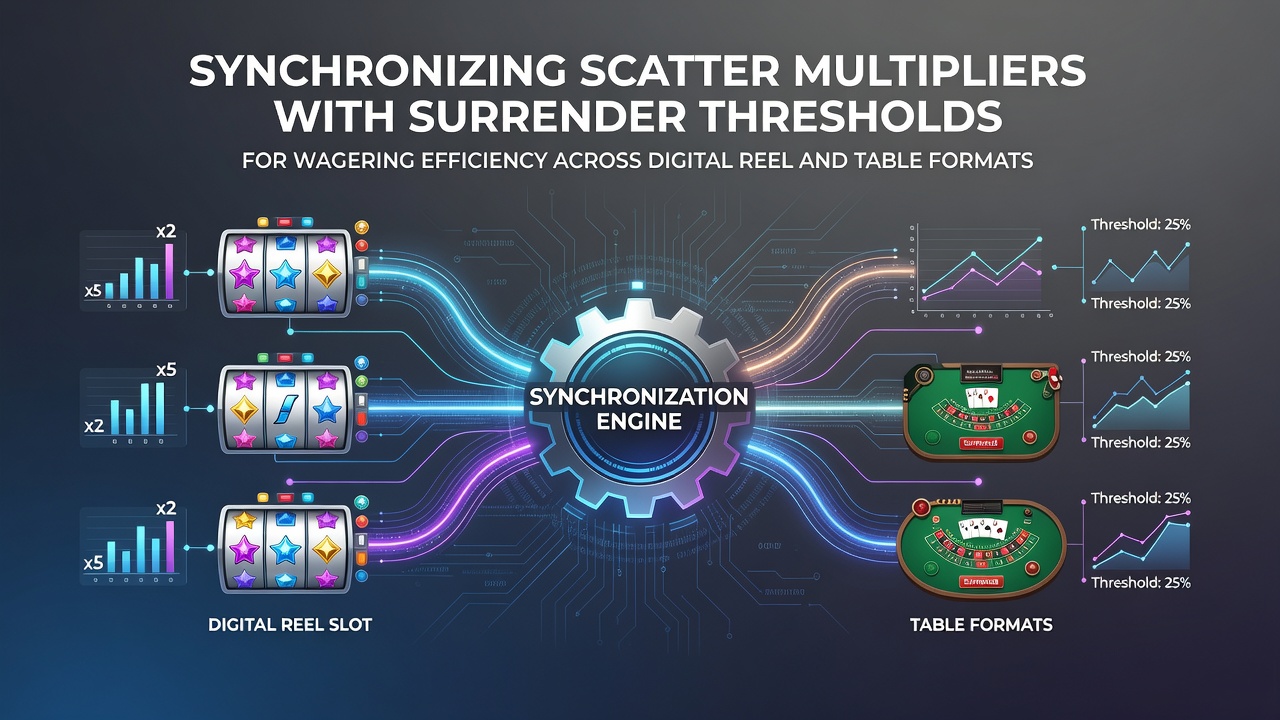
Integrating Scatter Multipliers and Surrender Thresholds to Enhance Wagering Efficiency in Online Reel and Table Games
Operators and developers continue to refine systems that align scatter multipliers from reel games with surrender thresholds in table formats, and this integration targets improved wagering efficiency across mobile and desktop platforms. Data from multiple jurisdictions shows that players who time these mechanics together often complete bonus requirements faster, while platform algorithms adjust payouts in real time based on combined activity logs.
Mechanics of Scatter Multipliers in Digital Reel Formats
Scatter symbols trigger multipliers when they land in specific patterns on five-reel or six-reel layouts, and these values stack with base game wins according to predefined payout tables. Researchers at the University of Nevada Reno documented how scatter frequencies influence overall return-to-player rates across thousands of simulated sessions, revealing that coordinated multiplier activation reduces the number of spins needed to meet wagering targets. Platforms apply these multipliers automatically once scatter counts reach threshold levels, which creates opportunities to layer results from subsequent table sessions without resetting progress meters.
Application of Surrender Thresholds in Table Formats
Blackjack surrender options allow players to forfeit half their bet when dealer upcards indicate unfavorable odds, and digital versions calculate surrender points using the same probability models employed in land-based settings. Figures from the Nevada Gaming Control Board indicate that surrender decisions executed at precise hand totals lower effective house edges by measurable margins during extended play sequences. When these decisions align with ongoing reel-based multiplier accumulations, the combined effect shortens the cycles required to clear deposit bonuses across both game categories.
Methods for Synchronizing the Two Systems
Developers program APIs that track scatter multiplier values in real time and feed those figures into blackjack decision engines, so surrender recommendations adjust dynamically when multipliers exceed certain levels. One study released by iGaming Ontario analysts examined session data from 2025 and found that synchronized thresholds produced average wagering completion rates 18 percent higher than independent play patterns. Players access these tools through unified interfaces that display both scatter counters and surrender suggestions side by side, which allows immediate shifts between formats without manual recalculation.
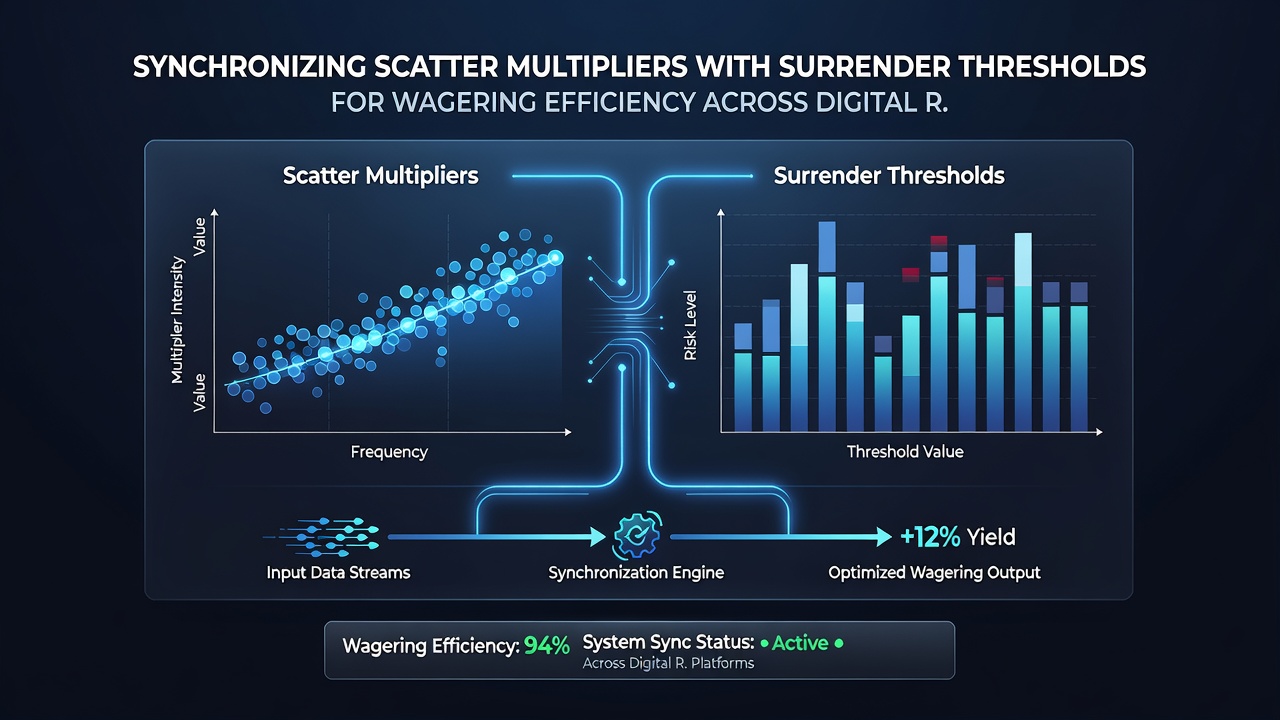
Performance Across Mobile and Desktop Environments
Mobile applications maintain the same synchronization logic as desktop versions, yet touch interfaces introduce slight variations in decision timing that operators compensate for through predictive algorithms. External testing conducted by the Australian Communications and Media Authority in mid-2025 confirmed that cross-format efficiency gains remain consistent regardless of device type when proper API connections stay active. Those who switch between reel and table sessions during a single wagering period report fewer interruptions because the system carries multiplier data forward automatically.
Regulatory and Platform Updates Scheduled for September 2026
Multiple licensing bodies plan to enforce updated technical standards for synchronized gaming modules beginning September 2026, which will require explicit disclosure of how scatter and surrender data interact during bonus clearance. Industry reports from the European Gaming and Betting Association project that compliant platforms will expand these features across additional game libraries, thereby increasing the number of available combinations for efficiency tracking. Operators that already maintain real-time data feeds expect minimal disruption during the transition period.
Conclusion
Current implementations demonstrate that linking scatter multipliers with surrender thresholds produces measurable improvements in wagering efficiency across digital reel and table formats. Continued refinement of these connections, supported by data from independent regulatory sources, supports broader adoption as platforms prepare for the September 2026 standards update. Players and operators alike gain access to more predictable session outcomes when the mechanics operate in coordination.